Source Class II Dental Apex Locator for Oral Surgery and More
Compare 30 verified class ii dental apex locator options from Chinese manufacturers. Buyers can evaluate specifications like battery capacity, weight, and certifications to find suitable equipment for oral surgery and internal medicine departments; compare the available evidence and request quotations based on your requirements.
Key considerations
Products List




Comprehensive Sourcing Guide
Class II Dental Apex Locator Sourcing Guide
Procuring a Class II dental apex locator requires a disciplined approach to verifying technical accuracy and regulatory compliance. These devices are critical for endodontic procedures, providing precise measurements of the root canal length to ensure effective treatment outcomes. Buyers must prioritize instruments that demonstrate high reliability in clinical settings, as measurement errors can lead to compromised patient care and increased treatment time. The selection process should focus on devices that offer clear digital feedback and robust build quality to withstand daily operational demands.
The market offers a variety of options, ranging from basic models to advanced units with specialized features. Sourcing guides indicate that Class II classification often relates to specific safety and performance standards, necessitating careful review of manufacturer documentation. Buyers should evaluate the device’s interface, battery life, and sensor compatibility to ensure seamless integration into existing clinical workflows. Understanding the specific capabilities of each model is essential for making an informed procurement decision that aligns with practice needs and budget constraints.
Product Scope and Observed Listing Signals
Market listings for dental apex locators reveal a diverse range of specifications and pricing structures. Observed price points vary significantly, reflecting differences in technology, brand reputation, and included accessories. Buyers should note that some listings highlight specific model numbers, such as SD-E03 or TY-041, which may correspond to distinct feature sets or software versions. It is crucial to cross-reference these identifiers with official product catalogs to ensure accurate specification matching and avoid purchasing outdated or incompatible equipment.
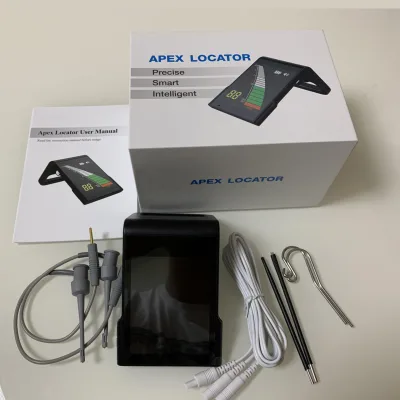
Listing signals also indicate variations in packaging and shipping details, which can impact total acquisition costs. Some products are described with specific dimensions and weights, suggesting differences in portability and storage requirements. For instance, certain models may be packaged in standard export cartons, while others might use individual piece packaging. Buyers should carefully review these logistical details to plan for storage space and shipping logistics, ensuring that the chosen device fits within their operational infrastructure and budgetary limits.
Technical Specifications to Verify
Technical verification begins with examining the power source and battery specifications, as these factors influence device reliability and usage duration. Listings often specify battery types, such as 3.7V lithium-ion cells with varying capacities like 750mAh or 2000mAh, which directly affect operational time between charges. Buyers should prioritize models with higher capacity batteries for extended clinical use, reducing the frequency of recharging and minimizing downtime during busy practice hours. Additionally, verifying the power consumption metrics ensures that the device operates efficiently without excessive energy drain.
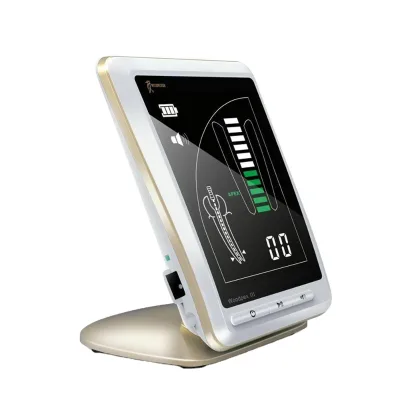
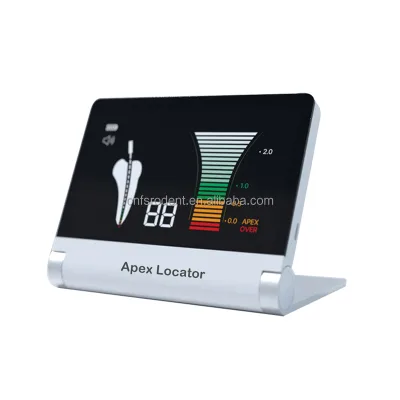
Display and sensor capabilities are equally critical for accurate measurements. A high-resolution LCD screen, such as a 4.5-inch display, enhances readability and user experience, allowing clinicians to clearly view measurement data. Buyers should also check the device’s weight and dimensions to ensure ergonomic handling during prolonged procedures. Models with compact designs and lightweight constructions, such as those weighing around 336g or 888g, offer better maneuverability. Confirming these physical attributes helps in selecting a device that balances precision with comfort for both the practitioner and the patient.
Compliance and Safety Documentation
Regulatory compliance is paramount when sourcing dental equipment, ensuring that devices meet established safety and performance standards. Buyers must verify that the apex locator holds relevant certifications, such as CE marking, which indicates conformity with health, safety, and environmental protection standards for products sold within the European Economic Area. Additionally, ISO certifications may be present, signaling adherence to international quality management systems. These certifications provide assurance that the manufacturer follows rigorous production processes and quality control measures.
Safety standards specific to electrical medical devices must also be reviewed. Listings may reference standards like GB2626-2006, which pertains to respiratory protective devices, but buyers should confirm if this applies to the apex locator or if other relevant electrical safety standards are cited. It is essential to ensure that the device is classified correctly, such as Class II, which implies double insulation or reinforced insulation for safety. Buyers should request detailed compliance documentation from suppliers to validate these claims and mitigate regulatory risks associated with importing and using medical equipment.
Cost Drivers and Commercial Terms
Several factors influence the total cost of ownership for dental apex locators, including initial purchase price, warranty terms, and after-sales support. Listings show a wide price range, reflecting variations in brand, features, and included accessories. Buyers should consider the long-term value rather than just the upfront cost, evaluating the warranty period and availability of technical support. A longer warranty and robust after-sales service can reduce maintenance costs and ensure continuous operation, providing better overall value for the investment.
Minimum order quantities (MOQ) and shipping terms also play a significant role in commercial negotiations. Some suppliers may offer flexible MOQs, allowing practices to purchase single units, while others might require bulk orders. Buyers should assess their inventory needs and storage capacity to determine the optimal order size. Additionally, understanding shipping costs and lead times is crucial for planning procurement cycles. Negotiating favorable commercial terms, such as discounted prices for multiple units or free shipping, can further optimize the procurement budget and enhance operational efficiency.
Supplier Qualification and Quality Control
Evaluating supplier qualifications is essential to ensure the reliability and authenticity of the dental apex locators. Buyers should verify the supplier’s business credentials, including their registration status and history in the medical device industry. Suppliers with a proven track record and positive customer feedback are more likely to provide high-quality products and reliable service. Additionally, checking for any past compliance issues or recalls can help identify potential risks and ensure that the supplier adheres to ethical business practices.
Quality control processes implemented by the manufacturer are another critical aspect of supplier evaluation. Buyers should inquire about the manufacturer’s quality management systems, including testing procedures and inspection protocols. Suppliers that provide detailed quality control documentation, such as factory audit reports or product testing certificates, demonstrate a commitment to maintaining high standards. Engaging with suppliers who prioritize quality assurance helps in securing devices that meet clinical requirements and reduces the likelihood of receiving defective or substandard equipment.
Long-Term Procurement Checks
Establishing long-term procurement checks ensures that the dental apex locators continue to perform reliably over time. Buyers should implement a regular maintenance schedule, including battery checks, sensor calibration, and software updates, to maintain device accuracy and functionality. Keeping a record of maintenance activities and troubleshooting steps can help identify recurring issues and facilitate timely repairs or replacements. Proactive maintenance extends the lifespan of the device and ensures consistent performance in clinical applications.
Continuous monitoring of supplier performance and product feedback is also vital for long-term success. Buyers should regularly review supplier responsiveness, delivery times, and product quality to identify any changes in service levels. Providing feedback to suppliers and staying informed about new product releases or technological advancements can help in making informed future procurement decisions. By maintaining a strategic approach to supplier management and device maintenance, practices can ensure optimal clinical outcomes and cost-effective operations over the long term.
FAQs
What is the power consumption of this Class II dental apex locator?
The device features ultra-low power consumption of less than 0.5W, ensuring efficient energy usage during extended clinical procedures. This low draw rate supports reliable operation with the included 3.7V battery options, which are available in 750mAh or 2000mAh capacities to suit different workflow demands and usage durations.
Which certifications does the Class II dental apex locator hold?
The instrument holds CE and ISO quality certifications, confirming compliance with international safety and quality standards. It also adheres to the GB2626-2006 safety standard. These credentials ensure the device meets rigorous regulatory requirements for medical equipment, providing confidence in its safety and performance for dental professionals worldwide.
Can the Class II dental apex locator be customized for specific needs?
Yes, customization is available for this Class II dental apex locator to meet specific clinical or branding requirements. Buyers can request tailored specifications or packaging solutions. This flexibility allows dental practices and distributors to align the equipment with their unique operational standards, ensuring the device integrates seamlessly into their existing workflows.
What is the warranty and after-sale service for this device?
The Class II dental apex locator comes with a one-year warranty and online technical support for after-sale service. This ensures that users receive prompt assistance for any operational issues or maintenance needs. The support structure helps minimize downtime, allowing dental professionals to maintain consistent productivity and patient care standards throughout the device's lifecycle.
How heavy is the main unit of the Class II dental apex locator?
The main unit weighs 336g, offering a balance between durability and portability for clinical use. Some models may weigh up to 888g depending on the specific configuration and included accessories. This weight range ensures the device is manageable for extended periods while maintaining the structural integrity required for precise dental measurements.
What is the minimum order quantity for Class II dental apex locator suppliers?
The minimum order quantity ranges from 1 to 10 units, providing flexibility for both individual clinics and larger distributors. This low MOQ allows buyers to test the product or purchase small batches without significant inventory commitment. It supports efficient procurement strategies for practices looking to upgrade their equipment with minimal upfront financial risk.